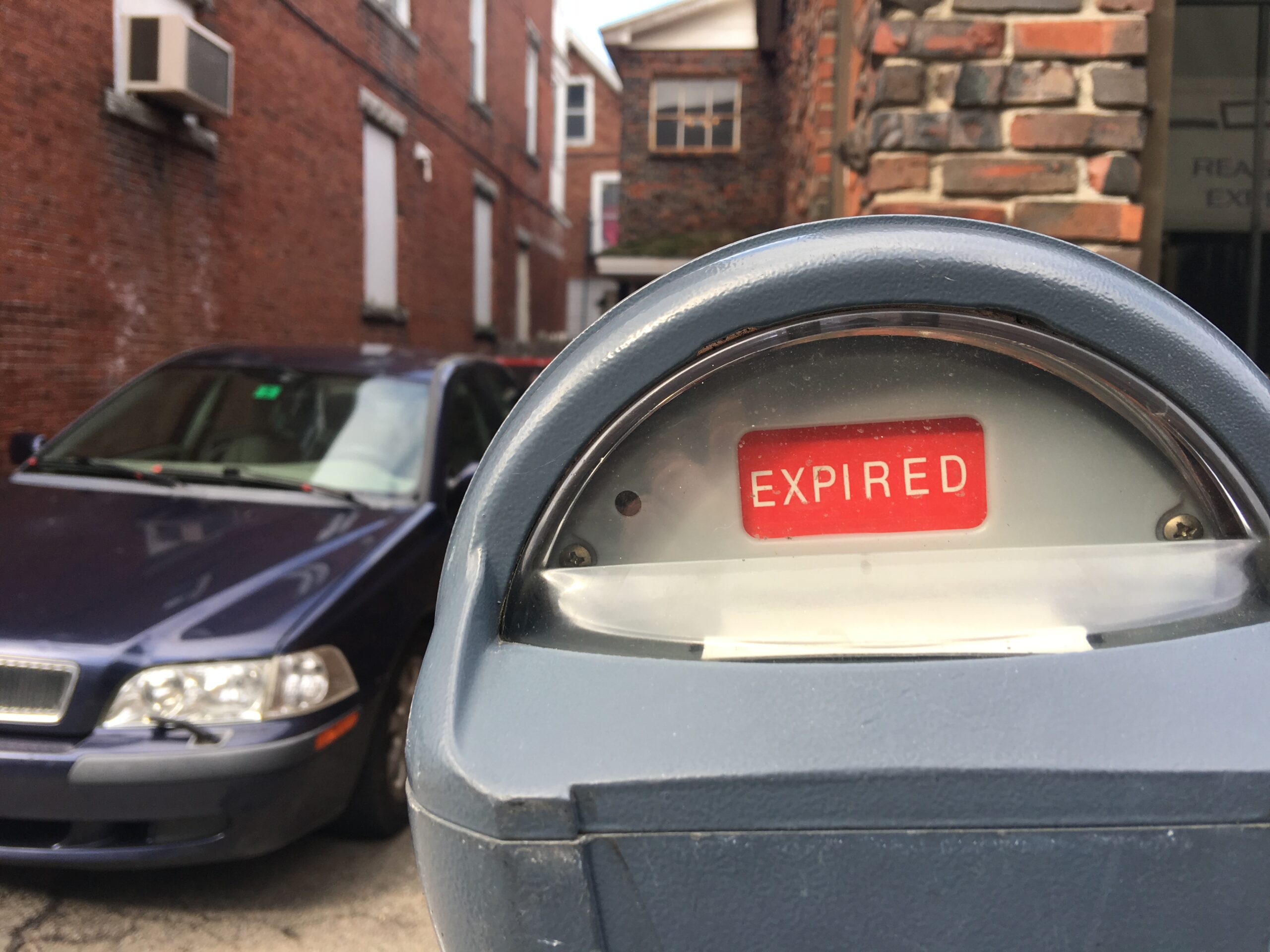
There are few things in life that spike your blood pressure faster than seeing a traffic fine tucked under your wiper or arriving in your mailbox. It’s the universal “are you kidding me?” moment. But whether you live in Spain or you’re just here for a holiday, knowing how to pay a traffic fine quickly — and how to save money doing it — is essential.
Take a breath. Let’s walk through the process without the panic.
What Can You Receive a Traffic Fine For?
Spain has rules. Lots of them. And the list of things you can be fined for is long enough to qualify as light reading material.
Common reasons include:
Breaking the speed limit
Not wearing a seat belt (or not securing children properly)
Parking illegally or double parking
Reckless or dangerous driving
Not giving way
Overloading your vehicle
Running a red light or ignoring a stop sign
Driving under the influence
Driving without a valid license
Incorrect use of warning triangles
Driving without insurance
Using the horn improperly
Leaving the scene of an accident
Washing your car in the street
Using your phone, smoking, or leaving lights on at a petrol station
Spain takes road safety seriously — and they’re not shy about issuing fines to prove it.
Receiving Your Fine
Traffic fines in Spain are issued by the Guardia Civil de Tráfico — the officers in neon yellow jackets with “TRAFICO” printed on them. Local police and national police cannot issue traffic fines or ask you for money on the spot.
Here’s how it works:
Residents: The Guardia Civil will take your details and the fine will arrive by post.
Non‑residents / tourists: You usually have to pay immediately. If you don’t have the money on you, they can legally escort you to your hotel or the nearest ATM.
And no — leaving Spain doesn’t make the fine disappear. Thanks to EU cross‑border enforcement, the fine will follow you home like a clingy ex.
Money Talk: How Much Will Your Fine Cost?
The cost depends on the severity of the offence:
Minor violations (parking, seat belts): lower fines
Speeding: 100–600€
Invalid driving license: 200€
Serious speeding (60 km/h over in a city or 80 km/h over on a highway): This becomes a criminal offence, not just a fine. Penalties can include:
6–12 months in prison
Community service
Loss of your driving license
And remember: fines vary slightly by region.
How to Save Money
If you pay within 20 days, you get a 50% discount. This is Spain’s way of saying: “We know you’re angry, but here’s a coupon.”
How to Pay a Traffic Fine in Spain
Good news: paying the fine is the easiest part of the whole ordeal. You have several options:
1. Pay Online (Fastest & Easiest)
Use the official DGT website: https://www.dgt.es/inicio/
You’ll need:
The fine’s QR code or
The exact date the sanction was issued
Enter the amount before the 50% discount — the system applies the reduction automatically.
2. Pay by Phone
Call 060 (24/7). From abroad: +34 902 887 060
You can pay by debit or credit card.
3. Bank Transfer
Send the payment directly to the DGT’s bank account. (Details appear on the fine.)
4. Pay In Person
You can pay at:
CaixaBank branches or ATMs (card or cash)
Post Offices (card or cash, with a small extra fee)
DGT Traffic Offices (card only — no cash accepted)
On the spot if the Guardia Civil stops you (card only)
5. Pay Through the miDGT App
The official DGT app is available for:
Android
iOS
Inside the app: Menu → My fines → Pending
Quick, simple, and no need to talk to anyone — ideal.
What Happens If You Don’t Pay?
Don’t test Spain on this one.
If you ignore your fine:
Your vehicle can be impounded
It can eventually be crushed
Your bank account can be embargoed
Additional penalties may apply
The cheapest option is always: pay early, pay less.
Final Thoughts: Avoid the Fine in the First Place
The best way to save money on traffic fines is simple: Don’t get one.
Follow the rules of the road, stay alert, and don’t assume Spanish traffic laws are “just suggestions.” They’re enforced — consistently.
But if you do get fined, now you know exactly how to handle it quickly, correctly, and with the maximum discount.